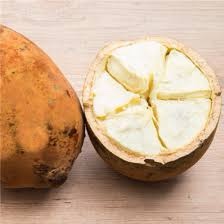
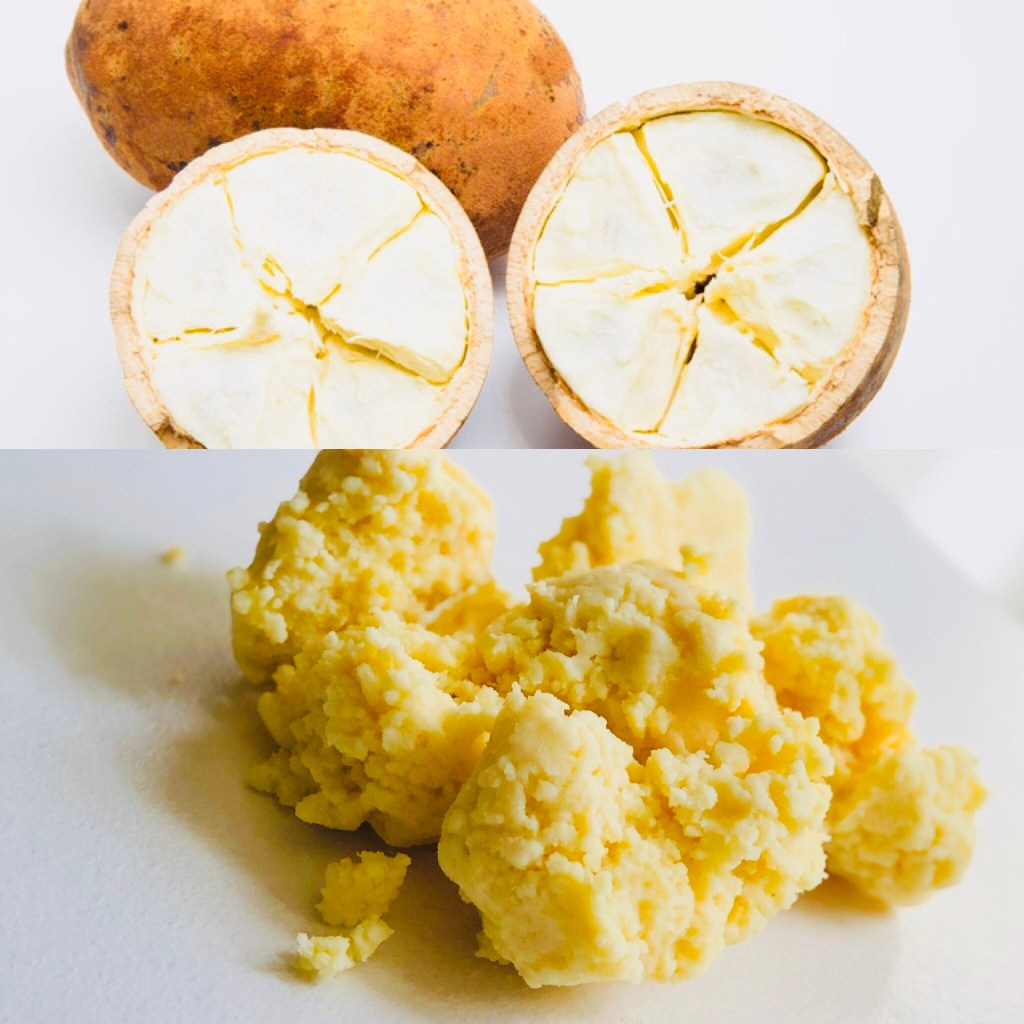
Cupuacu butter is extracted from the Cupuacu seed which is obtained from a tree that grows in the Amazon rainforests of some countries in South America like Brazil. It is related to the family of cocoa butter and has a characteristic aroma that slightly resembles that of cocoa butter. Cupuacu butter has an impressive lineup of great beneficial components for the skin and hair. It contains linoleic, lauric, myristic and oleic acids. All of these amazing omega 3 fatty acids make its moisturizing and hydrating properties absolutely outstanding.
The butter has very rich nutritional properties that are very active for skin and hair care. Here are some well known benefits of Cupuacu butter for your skin and hair:
Fuller and softer hair: applying hair products that contain a high content of cupuacu butter will help your hair to become softer. It penetrates the hair shaft to smoothen and lay down the hair shaft. As such, it is a great natural straighter for the hair. If you are battling hair dryness and hair brittleness, you can rely on this butter for its powerful hydrating capabilities. Cupuacu butter is known to work wonders particularly on ethnic hair and can restore its natural smoothness and soft texture.
Hydrated and moisturized skin: people who are suffering from dry skin issues often use this butter to keep their skin moisturised and hydrated, seeing that the butter has a high level hydration capacity. You can also use the butter as a cream supplement to maintain your skin’s tenderness and moisture.
Hair Growth: regular massage of the cupuacu butter into the hair scalp as a form of hair mask works effectively to boost hair growth, especially for people who have slow hair growth. The rich nutrients contained in cupuacu butter feeds the hair follicles and allows it to grow more healthy hair at a faster rate.
Younger looking skin: with frequent use, and over time, cupuacu butter has proven to be an amazing anti-aging skin care product. The high anti-oxidant nutrients of the butter work to eliminate wrinkles that appear on the skin, thereby renewing and rejuvenating skin and keeping it younger looking.
Cupuacu butter can be used as key ingredient in a number of skincare products. It can be used in making body butters, skin care cremes, hair butters, salves, deodorants, hair masks, hair styling creme, moisturizing lotion, general hair care and cosmetics. It is also used extensively in the field of aromatherapy. Cupuacu butter also serves as a great source of nourishment to boost the immune system of both the hair and the skin, prohibiting the proliferation of skin and scalp diseases.There are so many benefits that this great unrefined butter provides for skin and hair but they are far too many for us to mention.
Plant-derived oils and butters are among the most popular ingredients for a variety of personal care products including lotions, lip balm, and hair treatments.
Although many people are familiar with cocoa, coconut, and shea butters, kokum butter is a less common alternative that comes with its own set of unique attributes and benefits.
This article explores several potential benefits and uses of kokum butter, including how it compares with other, more popular plant butters.
Kokum butter is an oil derived from the seeds of a fruit-bearing tree called the kokum tree.
Kokum trees — formally known as Garcinia indica— are primarily cultivated in tropical regions of India. The fruit and seeds of the kokum tree are used in a variety of culinary, cosmetic, and medicinal applications.
Kokum butter usually has a light gray or pale yellow tint and predominantly comprises a type of saturated fat known as stearic acid (1).
The chemical structure of the fat allows kokum butter to remain solid at room temperature — hence why it’s typically referred to as a butter instead of an oil.
Kokum butter is edible and occasionally used to make chocolates and other confections. However, it’s most popularly used as an ingredient in topical cosmetic and personal care products, including makeup, lotions, soaps, balms, and salves (1).
Unlike many other types of plant butter, kokum butter naturally has a very hard texture that melts easily when applied to the skin.
Although it can be used by itself, commercially prepared products often mix kokum butter with other kinds of plant oils or butters to create a more spreadable consistency.
SUMMARY
Kokum butter is a type of tropical oil derived from the seeds of the kokum tree. Although technically edible, it’s most often used for making topical cosmetic and medicinal products.
Kokum butter has shown promise as a remarkably versatile and functional ingredient in a variety of cosmetic and pharmacological skin care products.
However, modern research specifically focusing on the pharmacological potential of kokum butter is sorely lacking.
Restores moisture to dry skin, scalp, and hair
Kokum butter is probably best known for its role as a potent emollient, or moisturizing agent (2Trusted Source).
It can be used to improve the moisture content of almost every part of the body, including your skin, lips, feet, scalp, and hair.
Unlike other similar types of plant-based butters, kokum butter is not very heavy. It’s absorbed into the skin easily, so you’re not left with a greasy feeling after application.
It’s often anecdotally reported that kokum butter is a good moisturizing option for people with sensitive skin. However, there’s not much reliable evidence to support such claims.
If you have dry, sensitive skin and want to try kokum butter, it may be a good idea to start with a small amount to test your tolerance before applying it liberally.
May soothe inflamed skin
Kokum butter is often used topically to alleviate skin inflammation caused by cuts, burns, and ulcerations (1).
One small study in 23 people with dry, cracked heels found that twice daily application of kokum butter for 15 days significantly improved symptoms (3).
Still, formal research on the efficacy of kokum butter for this purpose is virtually nonexistent.
Some experts theorize that the moisturizing nature of the butter — along with the antioxidant and antimicrobial capacity of the compounds found in kokum fruit — may be the reason behind its strong potential for soothing various inflammatory skin conditions (4Trusted Source).
However, more research in humans is needed to reach any definitive conclusions.
While kokum butter is likely fairly safe for most people to use on minor scrapes, burns, or rashes, it’s best to consult your medical provider before attempting to apply it to any significant wounds or irritations, as no studies on its safety have been conducted in humans (5Trusted Source).
May treat acne
While there’s no strong research to support its ability to treat acne, many people swear by using kokum butter as a topical treatment for the condition.
Kokum butter’s ability to treat your acne probably depends on what’s causing it, such as dry skin, excess oil production, hormone imbalances, or bacterial overgrowth (6Trusted Source).
Kokum butter has a strong moisturizing capacity and is considered non-comedogenic, which means it won’t clog your pores. Thus, it may be effective for restoring moisture to dry, irritated skin and is unlikely to make your breakouts worse in the process.
If your acne is related to dry skin or the overuse of heavier, pore-clogging lotions or makeup, kokum butter may improve your symptoms. However, at this point in time, no specific results can be guaranteed.
May reduce visible signs of aging
People often claim that kokum butter is an effective tool for treating and preventing visible signs of aging skin, such as wrinkles, diminished elasticity, increased fragility, and dryness.
As with many of the other purported benefits of kokum butter, there’s no research available to suggest it improves or prevents any of the aforementioned symptoms in the long term.
Given that kokum butter possesses potent emollient properties, it may help improve your skin’s moisture content, causing it to appear more youthful.
However, some research indicates that the benefits of topical moisturizers are transient and only effective for short periods. Thus, it’s unclear whether kokum butter’s moisture-enhancing benefits will stick around when use is discontinued (6Trusted Source).
Ultimately, more research is needed to better understand how kokum butter may be used to promote skin health and prevent visible signs of aging.
SUMMARY
Kokum butter is frequently used to treat a variety of conditions, including acne, aging, inflammatory skin conditions, and dry skin and hair. Yet, there’s currently little to no human research available to support its many purported benefits.
May reduce visible signs of aging
People often claim that kokum butter is an effective tool for treating and preventing visible signs of aging skin, such as wrinkles, diminished elasticity, increased fragility, and dryness.
As with many of the other purported benefits of kokum butter, there’s no research available to suggest it improves or prevents any of the aforementioned symptoms in the long term.
Given that kokum butter possesses potent emollient properties, it may help improve your skin’s moisture content, causing it to appear more youthful.
However, some research indicates that the benefits of topical moisturizers are transient and only effective for short periods. Thus, it’s unclear whether kokum butter’s moisture-enhancing benefits will stick around when use is discontinued (6Trusted Source).
Ultimately, more research is needed to better understand how kokum butter may be used to promote skin health and prevent visible signs of aging.
SUMMARY
Kokum butter is frequently used to treat a variety of conditions, including acne, aging, inflammatory skin conditions, and dry skin and hair. Yet, there’s currently little to no human research available to support its many purported benefits.
Kokum butter is a type of plant-based oil that comes from the seeds of the kokum tree. It’s frequently used in the production of topical cosmetic and pharmaceutical products like lotions, salves, and balms.
Kokum butter has powerful moisturizing properties and won’t clog pores. It’s frequently used to treat a variety of skin issues, including acne, minor inflammatory conditions, and dry skin, hair, and scalp.
However, there’s very little research to support its ability to treat any particular condition.
Kokum butter differs from other plant butters like cocoa and shea because it doesn’t have a strong scent and isn’t heavy or greasy. Its main drawbacks are that it’s expensive, not readily available, and difficult to work with given its tough texture.
Kokum butter is likely safe for most people, but if you’re unsure, consult your healthcare provider before adding it to your beauty routine.
One of the many questions I receive is what are your favorite ingredients and why do you use them. So, I thought I’d start sharing the history of my some of my go-to ingredients and explain why I decided to use them in my handcrafted products. All natural and organic is at the top of my reasons why an ingredient is chosen to be included in my creations. And there must be extensive benefits to using each ingredient. Here’s one of my #1 ingredients:
SHEA BUTTER
In some of Africa’s poorest regions, the Shea tree has become important to the economy and to the livelihood. In these places, Shea Butter is most commonly known as ‘Women’s Gold,’ due to the fact that Shea Butter production is the source of income for many women in Africa. The women use Shea Butter to purchase food, clothing, personal items, and to afford an education, among other purposes. For its healing abilities, the Shea tree was recognized as sacred and different parts of the tree were used for various purposes, such as when its wood was used to carve the funeral beds and caskets of kings or respected community leaders.
Although some early records state that European explorers began using Shea Butter in the 1300s, the natural emollient was used long before then by the people of Africa and was known as the “Skin Superfood“. For use in the harsh desert climates, Shea nuts were crushed, mashed, and boiled into a butter that was used to protect skin and hair from the drying, damaging elements while also being used to relieve insect bites. According to historical sources, the use of Shea Butter has even been traced back to Egypt as far back as the first century at the time of Queen Cleopatra, when it was used largely in skin care products. Ancient accounts tell the story of Cleopatra demanding that large jars full of Shea Butter accompany her on all her travels so that she could apply the smooth, hydrating, soothing, and rejuvenating butter to her skin daily.
Traditionally, Shea Butter was a staple ingredient used for its medicinal benefits in African pharmacology. Local healers used this nourishing butter – often making it the key ingredient – to address health issues such as coughing, bruising, rheumatism, inflammation, minor bone dislocation, and leprosy. Its wound-healing properties made it effective in diminishing stretch marks and regenerating skin that had been cut, especially soothing the uncomfortable results of circumcision. As it spread throughout several of Africa’s regions, it was discovered to have diverse uses for producing various products such as soaps and nasal decongestants. Studies conducted in the 1940s discovered that the African people who used Shea Butter experienced fewer incidents of skin diseases compared to those that did not use it. Some communities in Africa used Shea Butter for larger applications such as to make lamp oils, weather-proof their roofs, and protect their domestic animals’ skin and feet against rough sands and salt.
During the Middle Ages, Shea Butter became a popular global trade item throughout West Africa, including the coastal regions, as well as in the European markets. In some regions such as the UK, Shea Butter is used as a part of hygiene products such as bathroom tissue. “Mother Nature’s Conditioner” is a nickname that Shea Butter has earned for its exceptional moisturizing and softening properties. Since the discovery of Shea Butter’s therapeutic benefits, it has been used as an ingredient in cosmetics for thousands of years.
Rich in Vitamins A, E and F, Shea Butter is a natural emollient that nourishes skin to promote its clarity and health. Its moisturizing, circulation-boosting, and anti-inflammatory properties make it a popular ingredient for use in products that address skin problems such as dryness, wrinkles, dark spots, discolorations, stretch marks, and blemishes. Whether skin is dry or oily, Shea Butter balances its oil production without clogging pores. It melts at body temperature and is known to soothe and hydrate mature skin as well as skin that has been damaged by the harsh effects of the elements. Gentle enough for the most sensitive skin, Shea Butter has even been used traditionally for baby care.
Used in massages, Shea Butter’s anti-aging and skin-protecting benefits are known to slow the signs and symptoms of maturing skin by supporting skin elasticity and suppleness. In doing so, it boosts collagen production and increases circulation while promoting skin cell regeneration. Shea Butter’s anti-inflammatory properties can ease joint pain and rheumatism.
Used medicinally, Shea Butter makes an ideal post-sun ointment for skin damaged by UV radiation while creating a barrier on skin that protects it from harsh environmental elements such as severe winds and cold temperatures. Shea Butter is anti-bacterial; hence, it can prevent skin-irritating and acne-causing bacteria from lingering on the skin.
Shea Butter is one of the many butters we use when creating our products. If you’ve ever tried our #1 selling Body Butter, then you know first hand how amazing it is on skin. Below are a few recipes you can try at home if you are adventurous.
Recipe for a Natural Sunscreen made with Shea Butter –
Whip ½ cup of the shea butter until it becomes creamy in consistency. Slowly pour 1/3 cup of Coconut Carrier Oil into the butter. Add 15 drops Carrot Seed Essential Oil and 40 drops Myrrh Essential Oil, whipping them into the soft butter until it becomes fluffy. Apply this to the skin before going outdoors.
Recipe for Hair and Scalp Mask Treatment –
Heat 1 Tbsp. of Raw/Unrefined Shea Butter in the microwave for 30-60 seconds. Allow the melted butter to cool slightly. Next, add a few drops of Lavender Essential Oil (this step is optional). Apply the liquified butter to the scalp and spread it down the entire length of the hair. Leave this mask on for 30 minutes before rinsing it out with a mild shampoo. This conditioning treatment is known to rejuvenate the hair and to facilitate the growth of thicker, shinier strands. By introducing essential nutrients that enhance hair health, repair damage and split ends, and strengthen hair follicles, this mask reduces and prevents hair loss as well as breakage.
Recipe for Hair and Scalp Mask Treatment –
Melt 1 cup of Raw/Unrefined Shea Butter in a double boiler. Remove it from the heat, then combine it with ¼ cup Jojoba Oil and ¼ cup Rosehip Carrier Oil. Thoroughly mix this combination, then pour the mixture into a wide mouth glass jar and allow it to solidify. For faster cooling, place it in the fridge. This massage balm is ideal for use before or after strenuous exercise, especially for muscular pain caused by swelling, stiffness, and inflammation
With its origins in Africa, the Karite tree, otherwise known as the Shea tree; is considered sacred by many tribes. The legendary Queen Cleopatra is said to have traveled with large quantities of Shea Butter for her topical beauty maintenance on a daily basis! Shea butter is revered for its natural healing properties, and is still used today for various skin ailments and enhancement.
IT WAS CLEOPATRA’S FAVE
Cleopatra used shea butter, and there is mention of caravans of clay jars filled with shea butter for her use. It’s also said that shea was beloved by the Queen of Sheba and Nefertiti .
IT HAS SEVERAL NAMES
The word “shea” is said to be derived from the tree’s name in Mali’s Bambara language. What we call “shea” is also known as mangifolia, karite nut, galam butter and bambuk butter, amongst other names.
5 Facts About Shea Butter You Didn’t Know
IT’S THE BUZZED ABOUT INGREDIENT BASE OF SO MANY BEAUTY, BODY AND HAIR PRODUCTS. IT’S TOUTED AS A HOLY GRAIL FOR MOISTURE SEEKERS, AN ANCIENT AFRICAN SECRET THAT KEEPS SKIN AND HAIR LOOKING SOFT AND SPLENDID. BUT WHAT IS SHEA? WHERE DOES IT COME FROM AND HOW DOES IT GROW? WHAT MAKES IT SO AWESOME? LET’S GET INTO IT! HERE ARE FIVE FACTS ABOUT SHEA BUTTER THAT YOU CAN BUST OUT AT THE NEXT FAMILY DINNER.
IT’S GREAT FOR COOKING
In its purest form, shea butter is edible and can be used as cooking oil. Shea fruit is also edible, and sometimes chocolate companies replace cocoa butter with shea butter in the production process. Note – most of the shea butter we purchase is for external use only. Many companies mix their shea butter with other products but still say “shea butter” on the label, so read your ingredients to be informed!
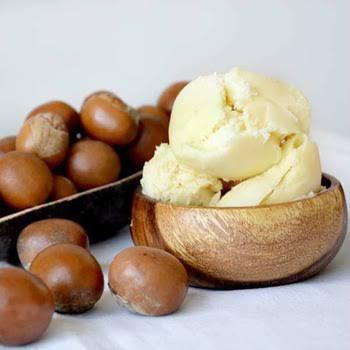
Unrefined Shea Butter is a rich fat produced from the nuts of the shea tree found in Africa. Butter made from shea nuts is thick and creamy, and has been used as a natural skin and hair care product by countless generations of African people.
Today, Shea Butter is enjoyed all over the world–either in its natural form or as a main ingredient in soaps, cosmetics, and hair care products. The butter’s popularity is largely due to its remarkable ability to benefit almost every skin type and condition. People often use Shea Butter to treat everything from stretch marks to eczema, but it is just as valuable for everyday use as a moisturizer for the hair and skin.
While the benefits of Shea Butter are becoming more and more well known, understanding the difference between the seemingly endless varieties of Shea Butter can be a challenge. Here at Better Shea Butter we’ve seen them all, and after working with Shea Butter in all of its raw and refined forms we have found our very favorite to share with you. Our Unrefined Shea Butter is something truly special. Its smooth, creamy texture and mild aroma make it a pleasure to use, and its quality and freshness is simply outstanding.
Made With Love
Better Shea Butter’s Unrefined Shea Butter is handmade using traditional methods that preserve the butter’s amazing natural properties. Like any natural food or cosmetic ingredient, the properties and active components of Unrefined Shea Butter deteriorate after being processed with extreme heat and chemical solvents. Because our Unrefined Shea Butter is produced at lower heats and without the use of chemicals, the finished butter remains packed with shea’s most prized benefits.
Our Unrefined Shea Butter starts off with whole shea nuts. These nuts are then boiled to soften their shells and the seeds are removed by hand. The shea seeds are cracked and roasted before being milled and kneaded into a thick dough. The dough is then blended with water to separate the fats from the solids. The skimmed fats are boiled and cooled, resulting in a pure butter that is fresh, natural, and bursting with goodness. The finished butter is filtered one last time in order to ensure purity before being packaged and sold.
Sustainably and Ethically Produced
Like most of the world’s Shea Butter, our Unrefined Shea is grown and manufactured in Africa. We work with a farming community in Ghana that uses organic farming methods to grow, harvest, and produce our Unrefined Shea Butter. This farming community benefits from the economic security of being paid above fair-trade wages while we benefit from being able to offer a product that we can be proud of.
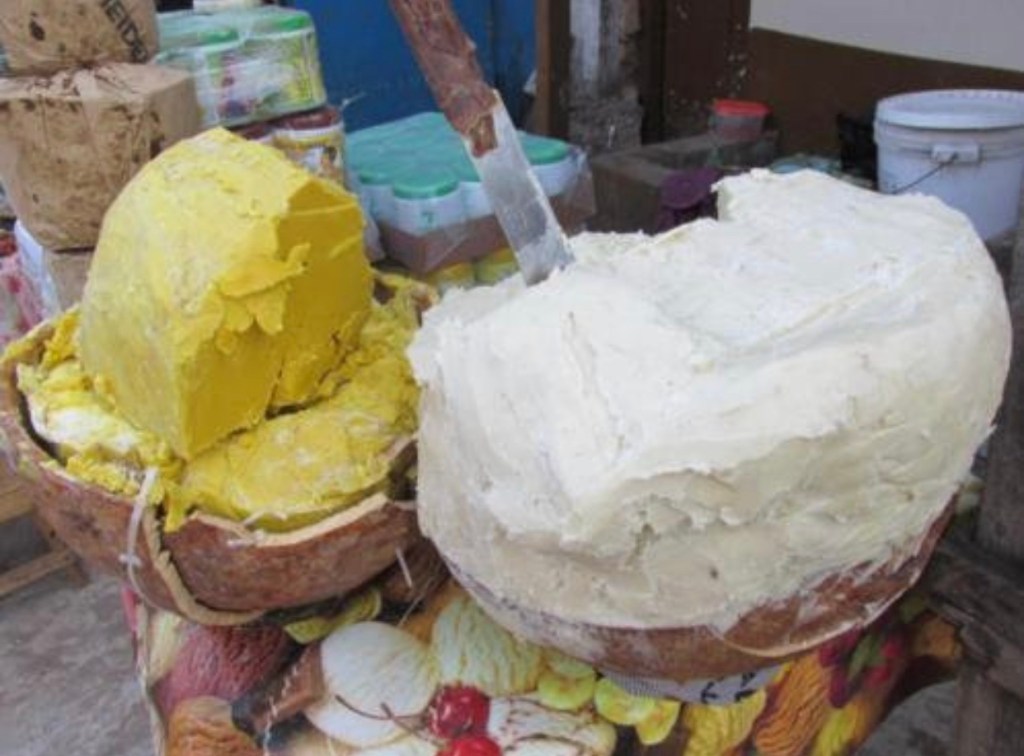
Ivory vs. Yellow Shea Butter
Better Shea Butter is thrilled to offer our Unrefined Shea Butter in both Ivory and Yellow varieties. The Ivory Variety is a great example of Unrefined Shea Butter in its most pure and natural form. The Yellow Variety gets its color from the borututu tree root extract – an ingredient added during the milling process. This color is totally natural and its addition is purely aesthetic for those who prefer this bright and sunny shade of yellow in their Shea Butter.
Smooth, Creamy Texture
The smooth and creamy texture of our Unrefined Shea Butter is one of its most signature traits. Other varieties can sometimes be sticky, gritty, or hard to manage, but Better Shea Butter’s Unrefined Shea glides across the skin easily, leaving a smooth sheen that isn’t overly greasy.
Easily Absorbed and Non-Comedogenic
One thing that makes Unrefined Shea Butter truly remarkable is its ability to provide intense moisture without clogging the skin’s pores or being overly greasy. This also makes Unrefined Shea Butter extremely versatile. It can be used from head-to-toe, even for facial care!
A Superior Moisturizer
Compared to a commercial lotion or body butter, the texture of pure Unrefined Shea Butter may take some getting used to. Since it is far richer, it will take longer to absorb into your skin or hair. As you become familiar with using Unrefined Shea Butter just remember that the difference in texture is really a good thing. Commercial lotions and creams are usually packed with fillers like water and alcohol. While they are designed to feel wonderful on your skin their benefits are often fleeting. Unrefined Shea Butter, on the other hand, provides intense moisture with lasting benefits!
Mild, Nutty Aroma
Natural shea butter has a characteristic aroma that can range from non-existent in refined butters to downright pungent in raw butters. Our Unrefined Shea Butter offers a pleasant compromise between these two extremes.
The scent of our Unrefined Shea Butter is mild. It has a nutty, smoky scent that mellows quickly after being applied to the skin or hair. This natural aroma, though relatively gentle, isn’t easily masked by other scents. It’s better to try and pair the butter with an aromatic ingredient that complements it than to attempt to cover it up.
Blends Beautifully With Essential Oils
Floral essential oils like lavender, geranium, and ylang ylang work beautifully with the natural aroma of Unrefined Shea Butter, as do woody scents such as sandalwood or patchouli. Try adding one of these essential oils at a rate of 2% (that’s about ½ teaspoon of essential oil per 1 cup of Unrefined Shea Butter) to enhance the aroma of your whipped butter or handmade skin care product.
Raw Unrefined Shea Butter Uses
Because our Unrefined Shea Butter has such a pleasant texture and mild aroma it can be used straight from the package as-is. Try applying a pea-sized amount of butter to your skin, then massaging it in as it melts. It can be used on your hair the same way. Melt a tiny amount of Unrefined Shea Butter between your palms, then apply it to the tips of your hair as you would a hair oil or leave-in conditioner.
One of the most popular ways to enjoy Unrefined Shea Butter is to whip it into a light, fluffy body butter. While there are lots of wonderful recipes for whipped shea butter you can make a super simple version in just 15 minutes by combining 4 ounces (½ cup) of Unrefined Shea Butter with 2 ounces (¼ cup) melted coconut oil in a stand mixer. Beat the ingredients together for 15 minutes, stopping to scrape the sides about halfway through.
If you prefer a more polished product, Unrefined Shea Butter is also an excellent main ingredient for a huge variety of DIY beauty products including whipped body butters, lip balms, lotions, and soaps. You can find plenty of handmade recipes to get you started in our Free E-Book and on our blog.
Unrefined Shea Butter is a nutrient rich cosmetic butter packed with vitamins and antioxidants. It deeply moisturizes the skin to help soothe and repair dry, itchy, cracked skin and maintain a healthy glow. Its properties also make it effective in evening out skin tone, diminishing blemishes, dark spots, fine lines and wrinkles. Additionally Shea Butter can be used on the scalp or in the hair to stimulate growth, tame frizz and lock in moisture.
This is a semi soft butter, it melts upon skin contact so can be applied as it is or mixed with other ingredients to make skin and hair care products. Shea Butter is vegan and safe for all skin types.
Organic Coconut Oil 🥥——keep lips moisturized, germ-free, reduce swelling, and is good for chapped lip caused by Dry air, cold weather and excessive licking.
JoJoba oil ——protect against dry or chapped lips to lock in moisture and leave them feeling soft and smooth – even in cold weather conditions.
Sweet Almond oil ——moisture, nourish and revitalize lips. Eliminates unsightly dark spots, while smoothing scaly chapped lips.
Grape Seed oil—-support lip elasticity, and keeping lips moisture all while healing those chapped lips.
Avocado oil——-protect lips from wrinkles and fine lines and keeps lips hydrated.
Organic Cocoa Butter——-protect lips from cracks and chapping, shield lips from wrinkles and fine lines, discoloration, preventing skin irritation and reduce inflammation.
Vitamin E——boost circulation and may help generate new skin making your lips softer.
Organic Shea Butter——is a natural sun block, anti-aging and moisturizer that leaves your lip super smooth and soft.
Cooking can sometimes feel like a chore at the end of a busy day. It’s often tempting to throw a ready meal in the oven or call for take out. But preparing a simple and healthy family meal doesn’t have to be hard or time-consuming. Here are some quick wholesome dishes that you and your family will love. They can even be prepared in advance.
I know, what could be better that a steaming plate of fries, gravy and cheese curd? Fries, gravy, cheese curd and bacon, that’s what! Throw in some fresh shallots, chilli, and a splash of roasted bone marrow and duck gravy, and we turn this popular French-Canadian dish into a something sublime.
During the week we’re often walking out the door with a coffee in one hand and slice of toast in the other, but on weekends breakfast is never rushed. It’s a late affair, sometimes spilling over to lunch, with lots of reading and chatter in between courses of fruits, poached eggs, honey and toast. One of our favorite things we like to serve when friends are visiting are buckwheat blueberry pancakes.
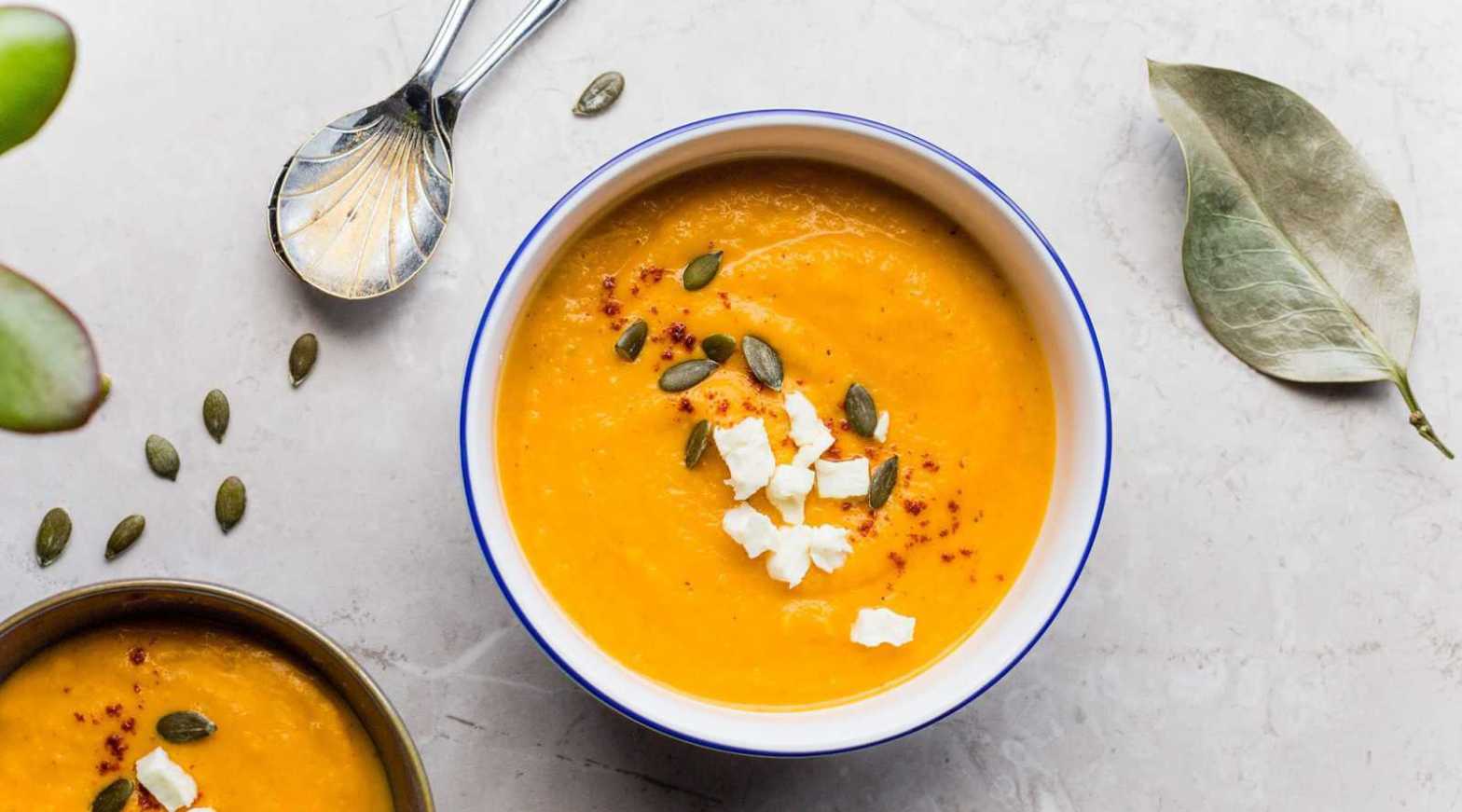
There’s nothing better than a warm bowl of pumpkin soup on a cold autumn day. Combine your roasted pumpkin with some onion, garlic, vegetable broth, and a few spices, and give it some time to simmer away. Pair it with a few slices of fresh bread to turn it into something sublime.







 Body Care
You must be logged in to post a comment.